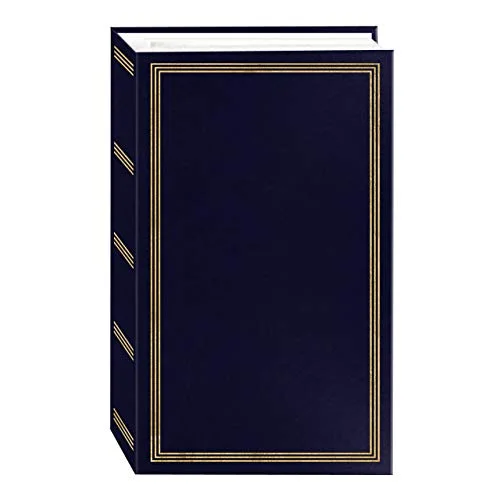
 3-Ring Pocket Photo Album
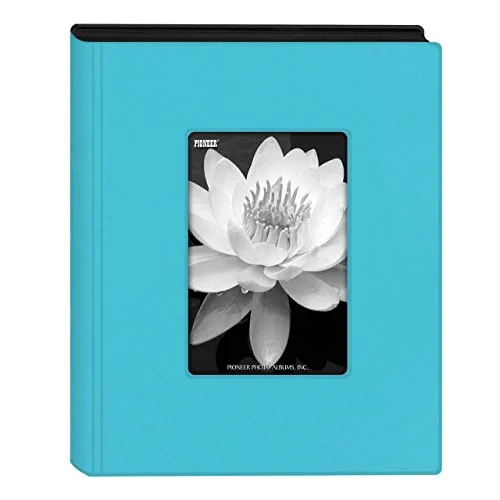
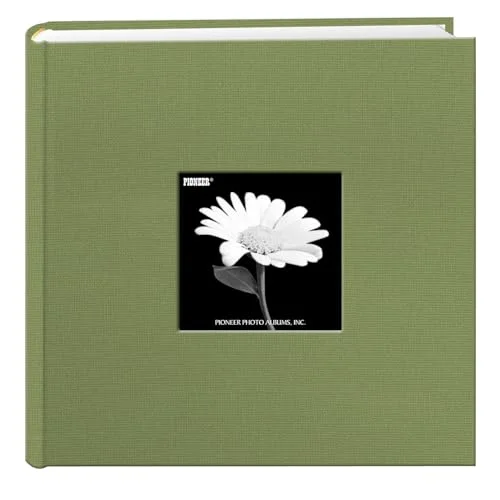 Fabric Frame Cover Photo Album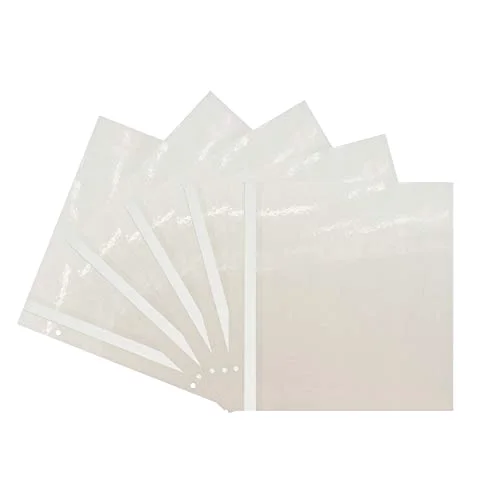
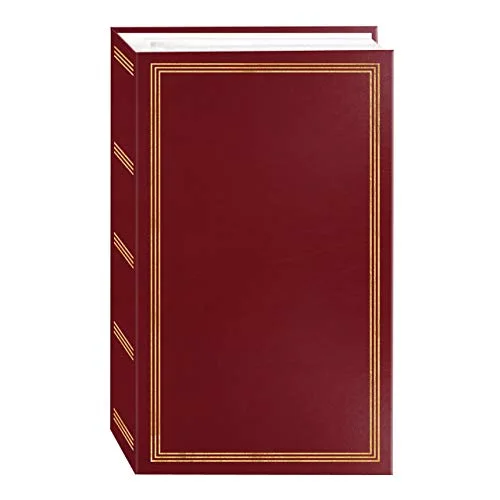
Photo albums · 4×6 · 504 prints
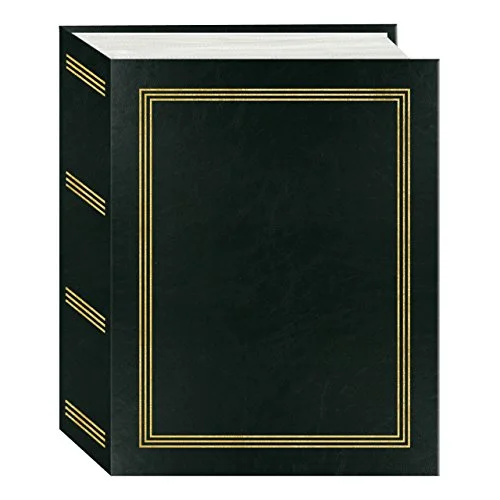
3-Ring Pocket Photo Album, 504 pockets
Burgundy Red$9.954.625,075
Buy this album
Pioneer has been making photo albums in Chatsworth, California, since 1972, for the people who still print their photographs and the ones with a drawer full of them. Pocket albums, scrapbooks, mini albums for instant prints, magnetic self-stick albums, refill pages, and storage boxes. All built to keep the prints where you can see them.
Acid-free, lignin-free, PVC-free pages. A print goes in, and the print comes out the same.
A photograph is the point of an album, and the album should keep getting out of its way. These are the four things we hold every album to, the same on every shelf.
In our pocket albums the photograph slides into a clear pocket. No glue, no tape, no overlay sits on the image. The print goes in clean and comes out clean.
The pages and pockets are named on the pack as photo-safe. Acid-free, lignin-free, PVC-free, on every line we make, and printed on the pack of each one.
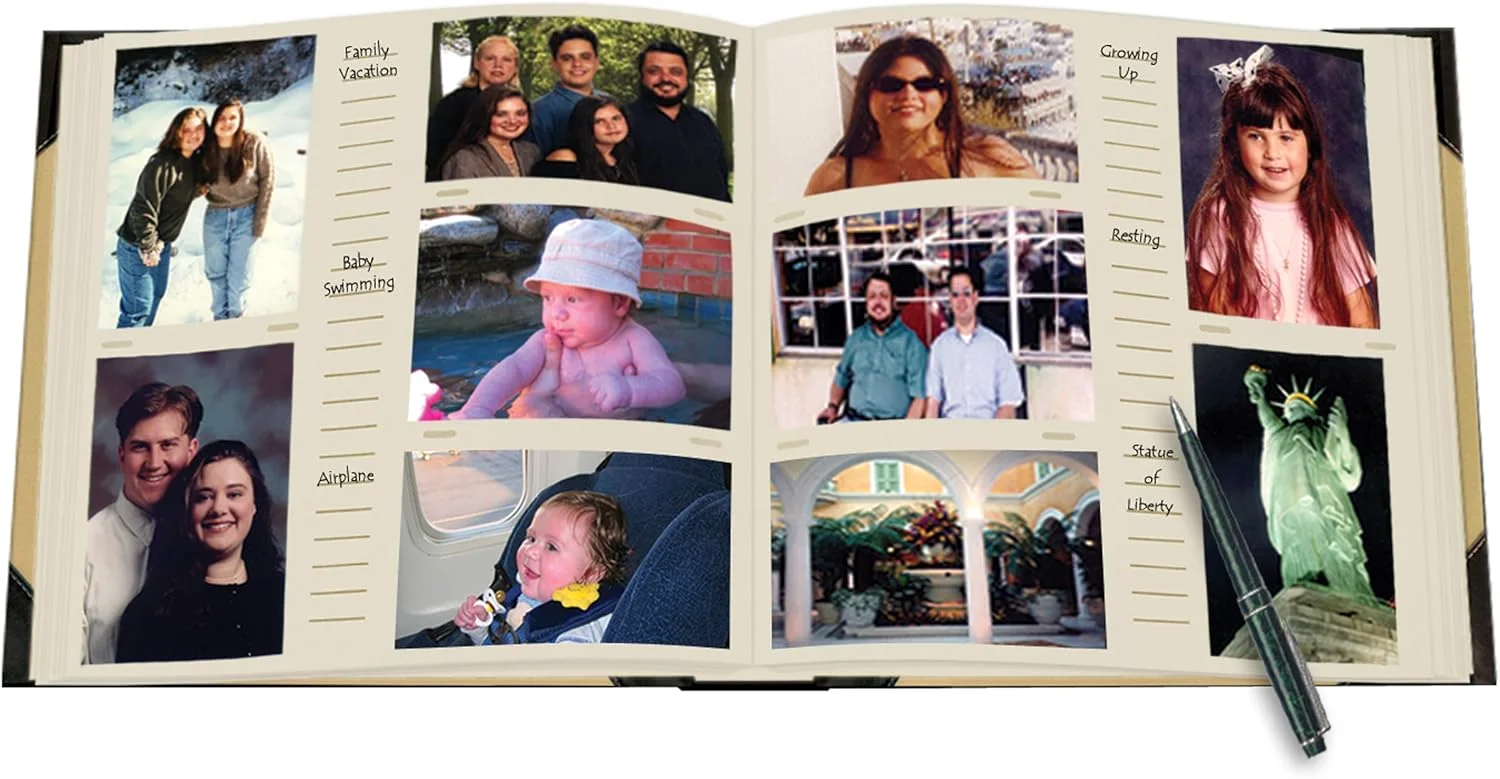
A memo strip runs beside the pocket on the memo lines, and the scrapbooks give you heavy paper inserts to write on. Where the photo was, who was there, the date: it all has a place.
Post-bound and ring albums accept unlimited refills. Bookbound albums are sold by capacity, from 36 to 504 prints, so you pick the one that fits the pile on your table.
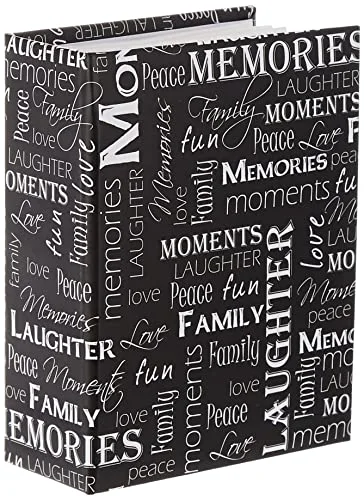
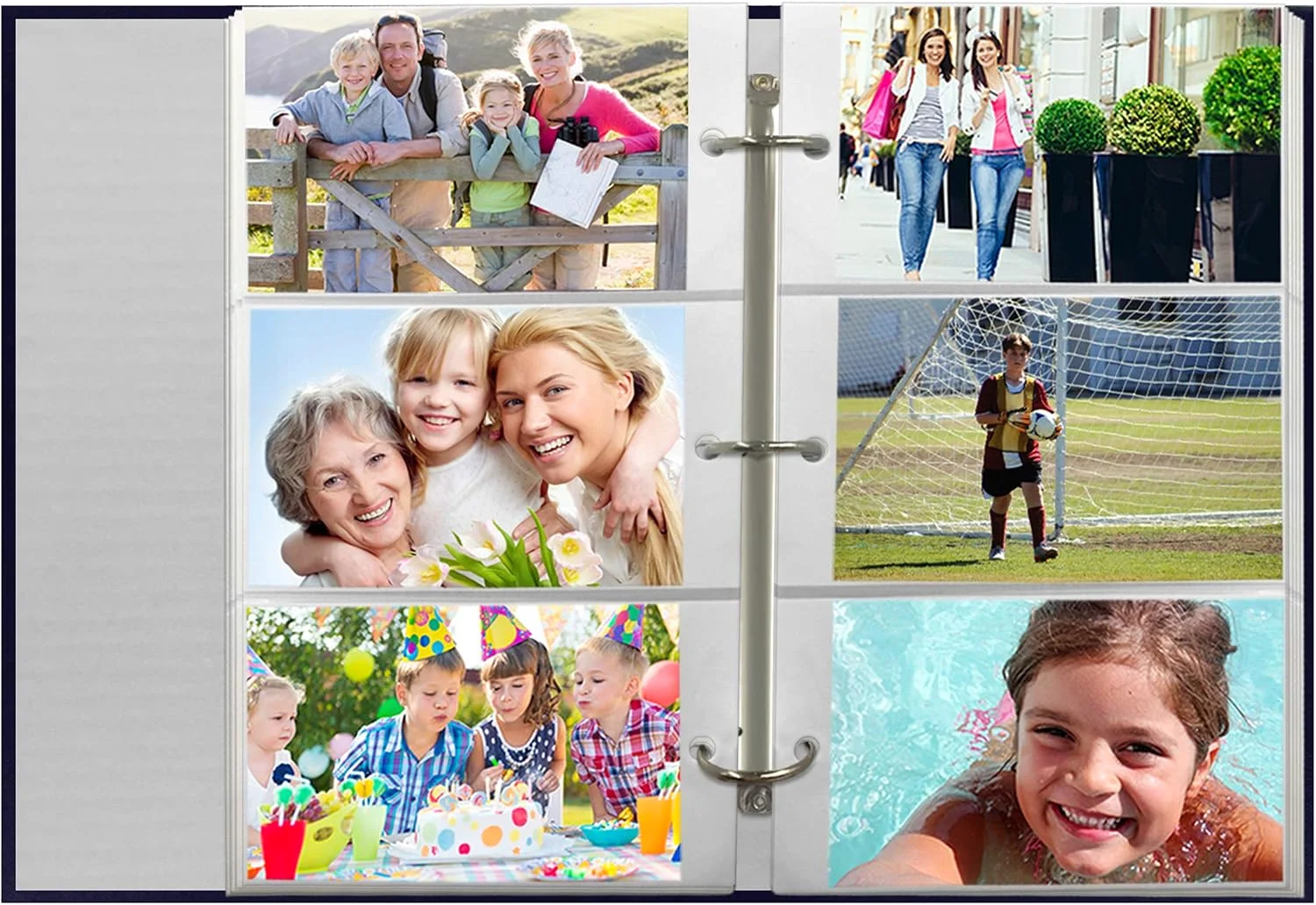
A pocket album keeps a print flat and visible. You slide the photograph in, the pocket holds it without glue or corners, and you can lift it back out to share. Clear pockets on black or white mesh let the photograph lead. Capacities run from 36 to 504 prints, mostly for 4x6, with lines for 5x7 and 8x10.
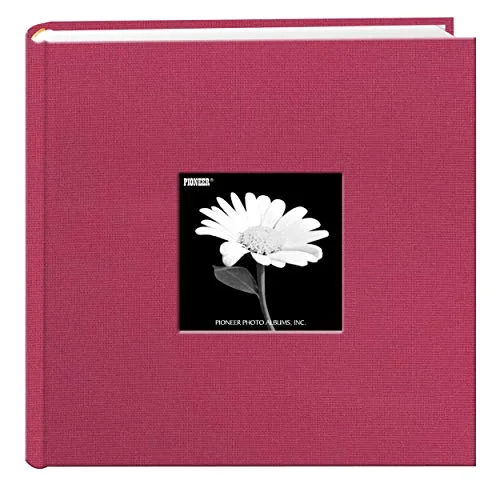
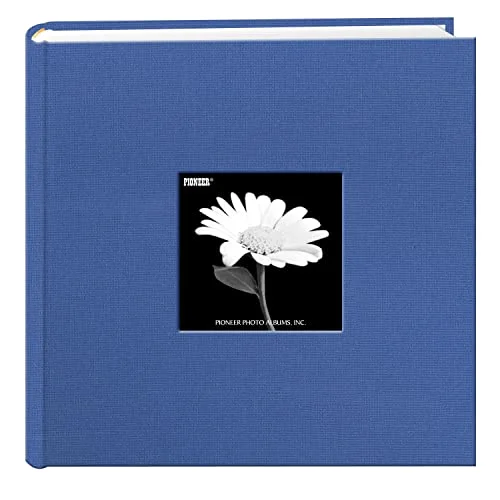
The memo strip beside each pocket looks like a small detail. Twenty years on, you will wish you had written the place, the name, the year. A short line now saves a long search later. Covers are sewn leatherette, bonded leather, or fabric, and some take a favourite print in a frame on the front. Spines open flat, so the book stays open while you work.
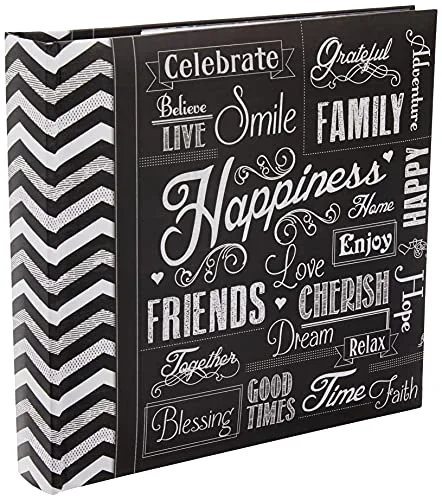
Post-bound and 3-ring albums for 12x12, 8x8 and 8.5x11 pages, with top-loading protectors and heavy paper inserts. Every one takes refills, so the book grows with the story.
These albums are built around a page you fill yourself. A ticket stub beside a photograph, a caption in your own hand, a card glued down. They suit a school year kept from start to finish, or a wedding book made by hand.
Decide the page size first. 8x8, 8.5x11, 12x12, and a jumbo 11.75x14. Albums come post-bound or three-ring, with top-loading page protectors and heavy white or beige inserts that slide out while you work and back in when done. Every album takes refill pages. Post-bound ones extend with extension posts as the book grows. Covers come in fabric, book-cloth and leatherette, many with a frame window on the front.
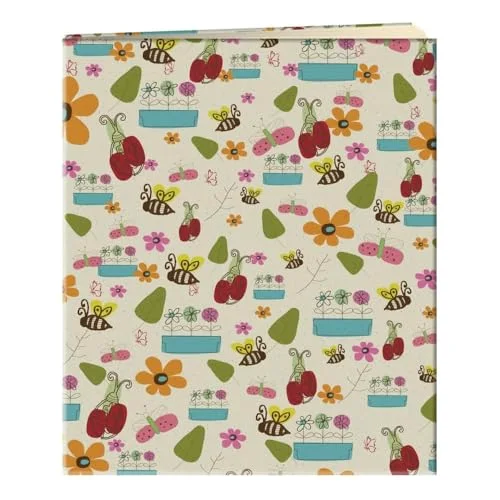
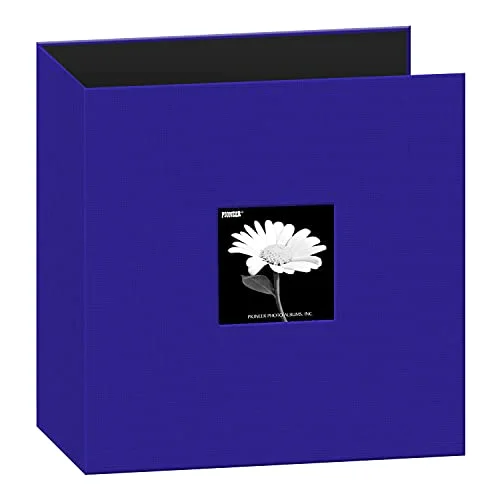
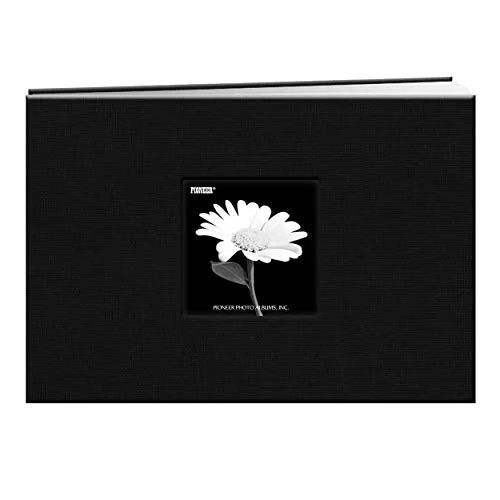
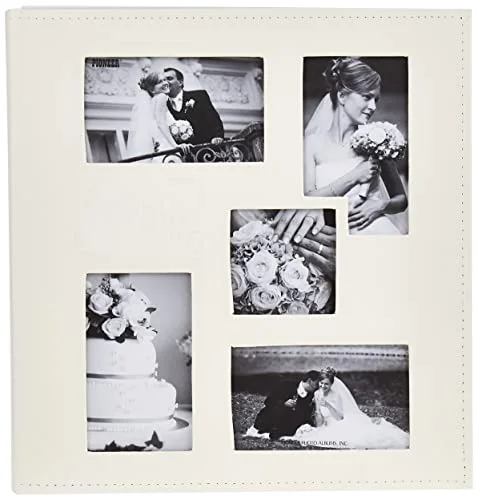
One or two prints to a page, 24 to 100 photos, in sewn covers small enough for a handbag or a desk drawer. The IS-80 line takes 80 Instax and Polaroid instant prints.
A pocket-sized album keeps a handful of prints together in a bag, between the keys and the notebook. One print per page or two, holding 24 to 100 prints. Sewn leatherette covers with an embroidered patch or a piped edge, or a printed designer cover. The IS-80 holds 80 Fujifilm Instax or Polaroid credit-card-size instant prints and has a frame on the cover for one of them. A small album travels where a phone does, and it does something the phone can't. A set of prints you hand to someone, a grandparent's album on a coffee table, the instant prints from one summer.
A magnetic self-stick album is the one to reach for when the prints don't match up. The clear overlay lifts and re-seals, so a wallet-size, a 4x6, a 5x7 and an 8x10 can sit together on a single page, with no pocket telling any of them where to go. Spines are 3-ring or post-bound and take refills, and the X-Pando line opens up to hold a thicker stack as the album fills.
For prints you mean to keep for decades, conservators advise against self-adhesive pages for long-term storage. Our pocket albums keep the print free of any adhesive at all. They are the better choice when the photographs are the point.
All 43 magnetic albums →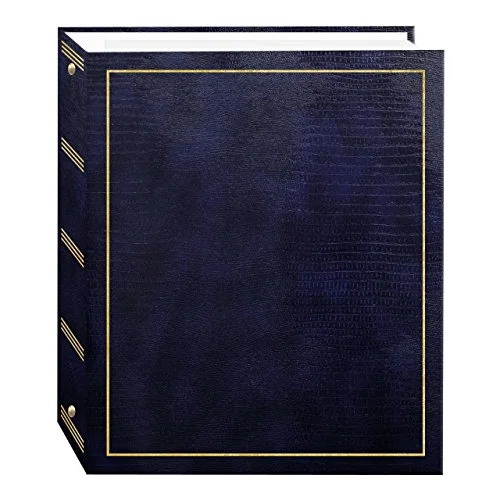
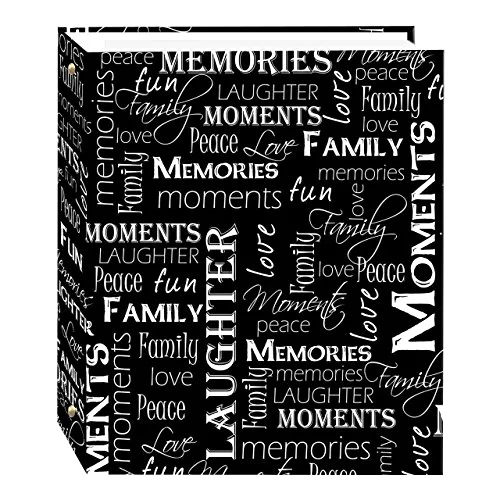
Refill pages are made for a specific album line. RST refills fit our 3-ring albums, RLM pages go with the magnetic albums, and SJ-20R pages refill the jumbo scrapbook. Top-loading page protectors and heavy paper inserts come in packs. Extension posts and screw-post extenders lengthen post-bound spines. Before you order, open the album and match the style number printed inside.
All 81 refills and protectors →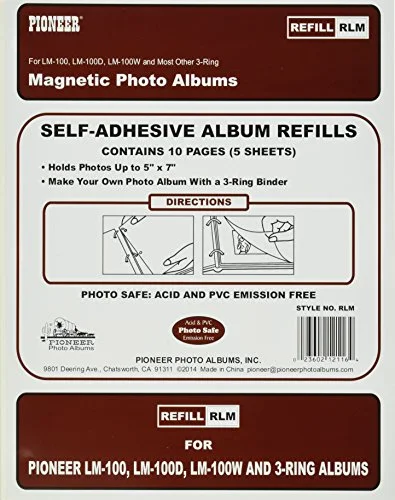
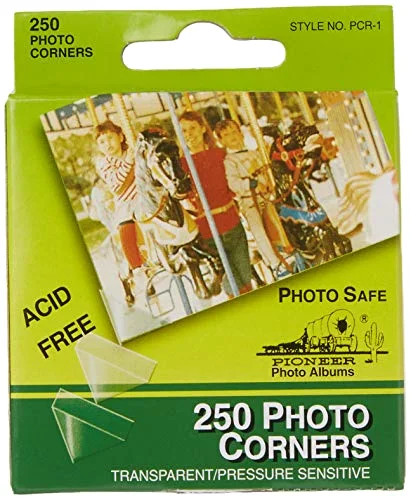
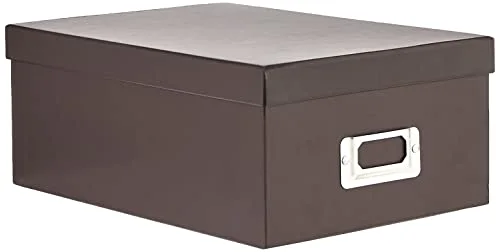
Drawer, shoebox, stack on the dresser. Some prints are not in an album yet, and the moment to file them properly is not this month. Our heavy-duty boxes have a metal identification plate on the front and index cards inside. The jumbo size, about 14.75 by 13 by 3.75 inches, holds finished 12x12 scrapbook pages until you are ready to bind them.
All 30 boxes →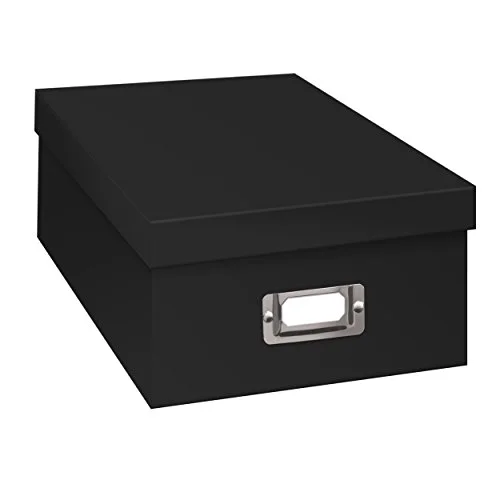
The photographs below show our albums the way you actually handle one: open on a table, filled or waiting to be. A closed cover or a spine tells you very little. What the pockets look like, where the writing area sits, how a print settles into the page. So that is how we shoot them.
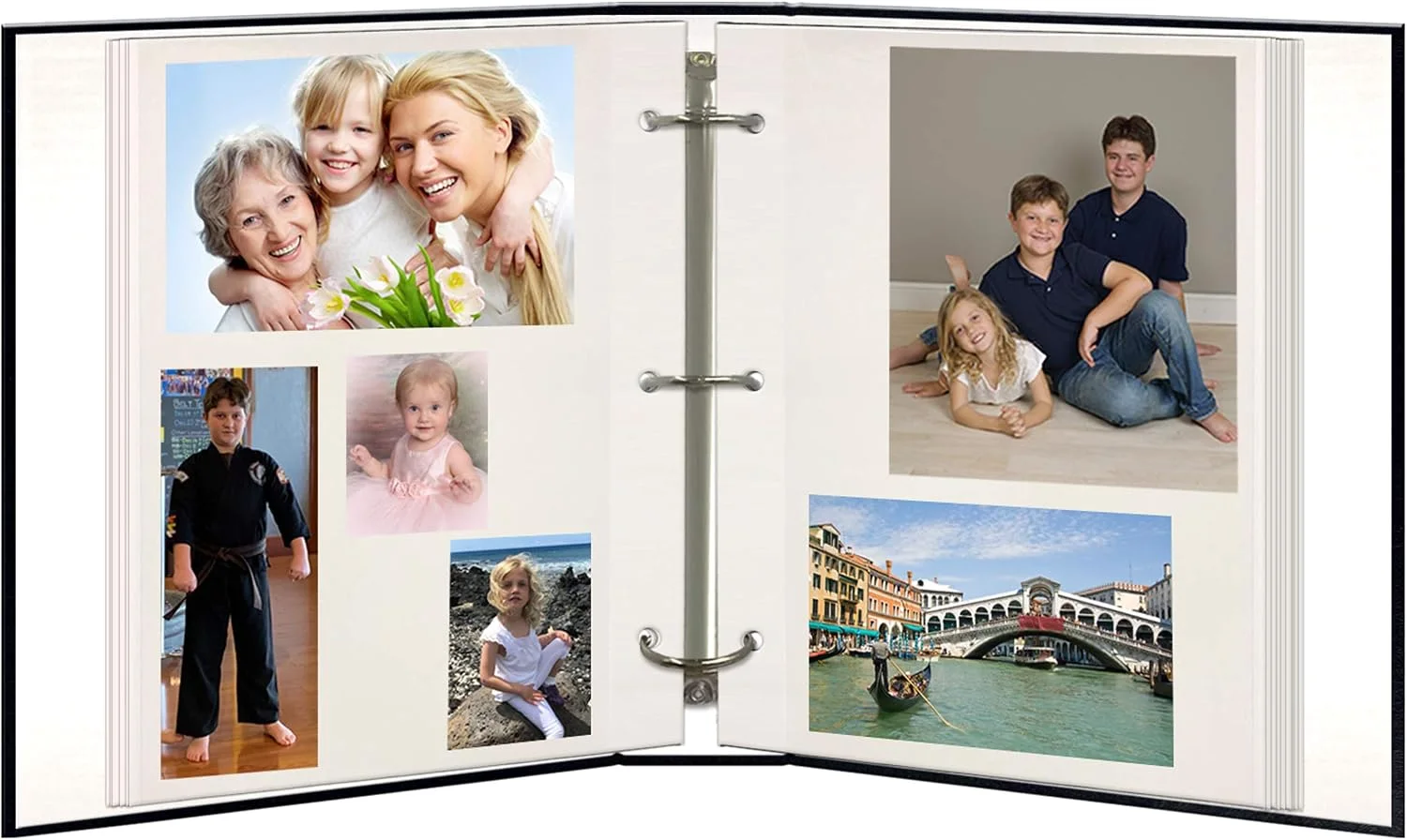
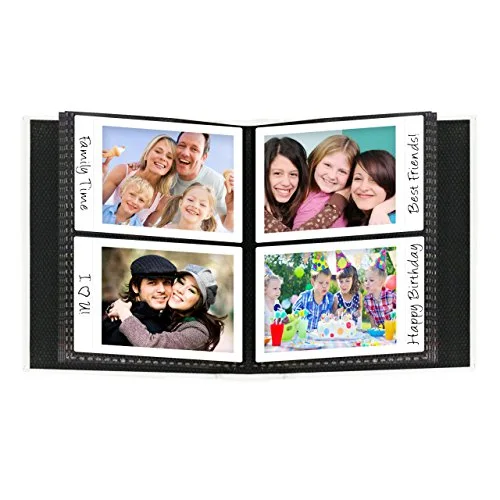
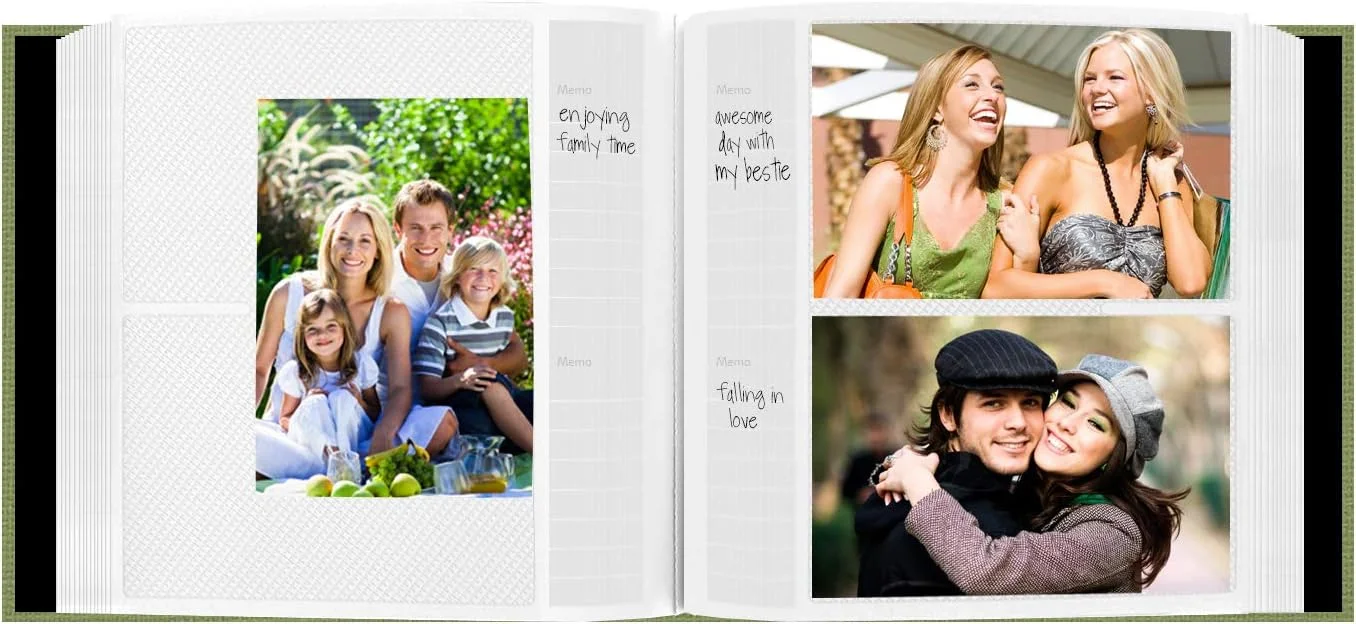

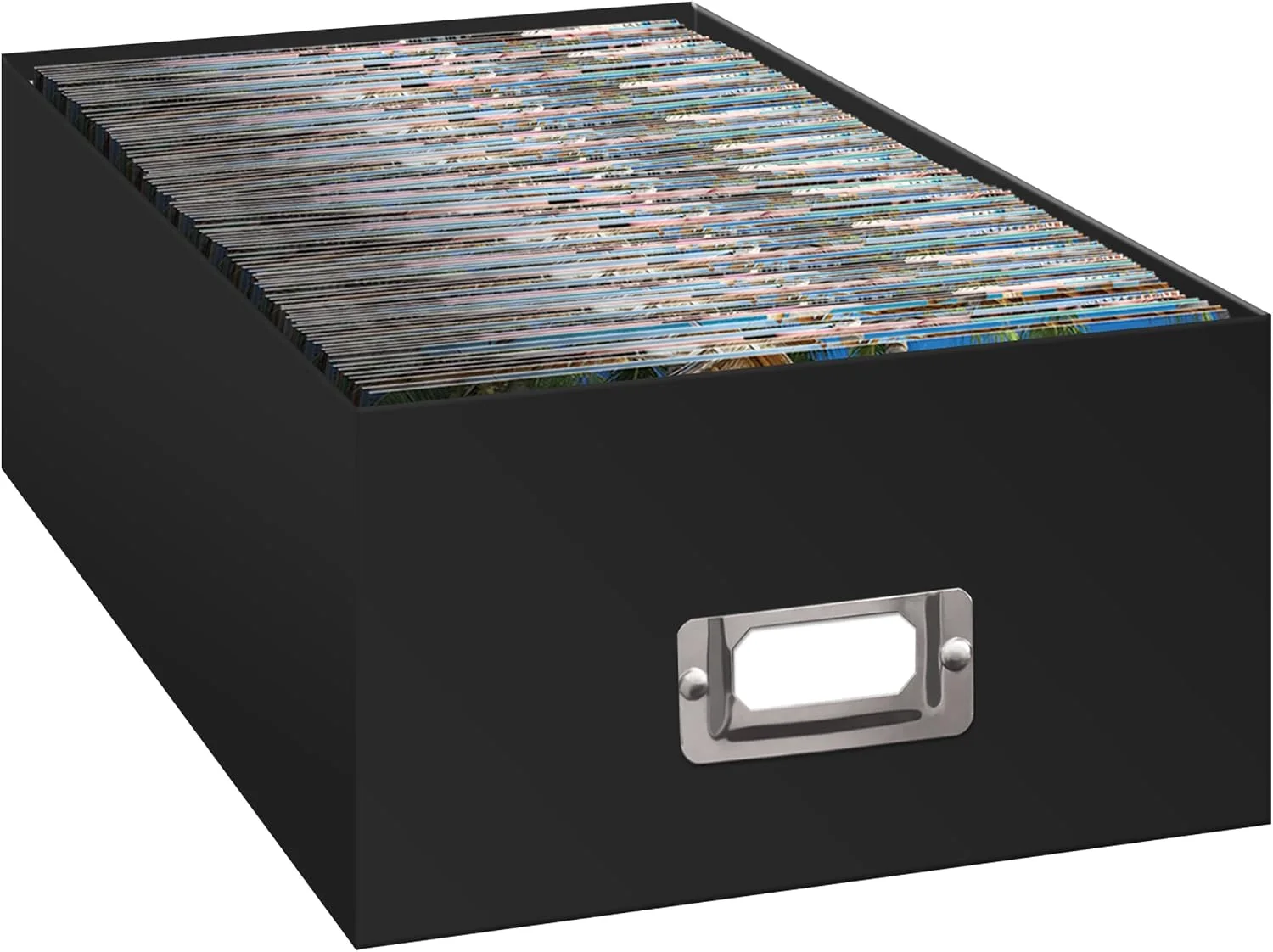
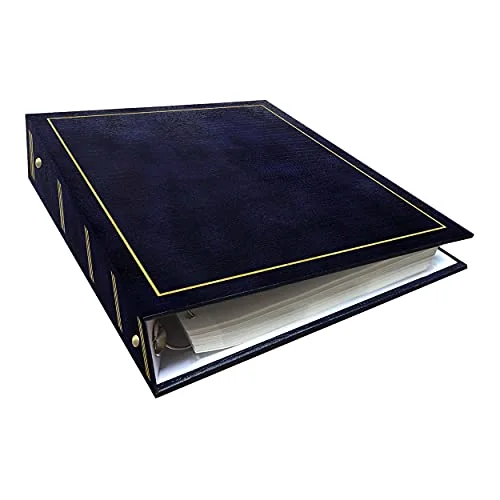
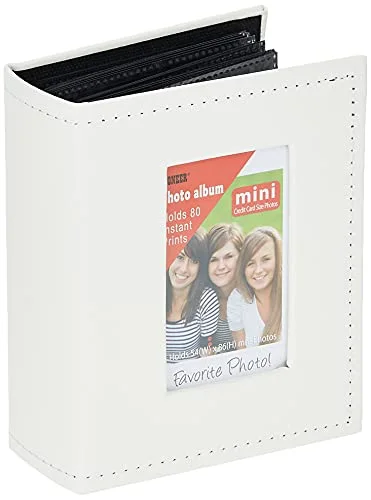
Before an album leaves us, somebody sits down with it at a table. The same five things get looked at every time, on a flat table, with a hand and an eye. A print, a pen, and the album itself, the way you would check one at home on your own kitchen table.
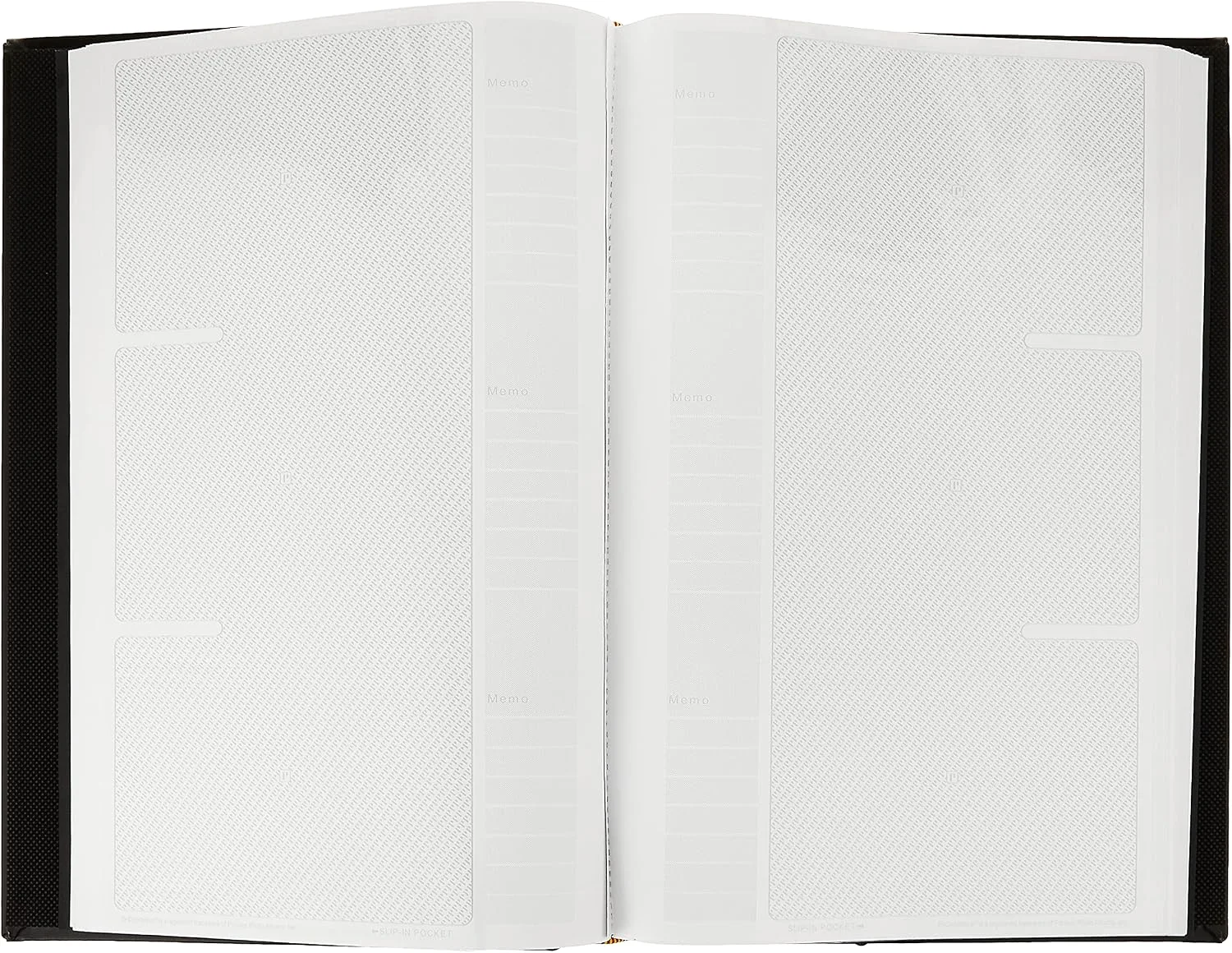
A new album starts on a cutting table with a roll of cover stock. Someone on our team has sketched the cover, chosen the spine, and picked the cloth or leatherette it will be bound in. We make a sample, fill it with whatever prints are lying around the office, and pass it around the room. If a pocket sits crooked, or a strap catches on the way open, the sample goes back to the drawing board. An album has to feel right when you pick it up.
The pocket pages are built the way we have built them for years. A clear sheet sits over a black or white mesh, and the print slides in without any adhesive ever touching it. Beside each pocket sits a slim paper strip, just wide enough for a date, a place, or a name. The pages themselves are described on the pack as photo-safe: acid-free, lignin-free, and PVC-free. That wording is on every pack.
For the scrapbooks the covers are punched and the screw posts set, then the rings or extension posts go on so the album can grow as the years do. A page protector slides over a heavy paper insert, and the print sits inside without glue. Every few weeks someone pulls a finished album from the batch, opens it flat on the table, and looks for a spine that does not lie flat. If one shows up, the batch waits.
Photographs end up in different places: a pocket album, a printed photo book, a self-adhesive album, or a shoebox. No one of them wins for every house. The table sets the four side by side on the questions we get asked most.
Where the alternatives win, they win clearly. A printed book is one finished object with nothing to slide out and lose. A box costs almost nothing and holds a great many prints. A pocket album's strengths are different: it is for the prints you mean to keep, in a house where the others also have a place.
| Pioneer pocket album | Printed photo book | Generic self-adhesive album | Prints in a box or envelope | |
|---|---|---|---|---|
| The print stays a print, removable and unaltered | Yes | The photo is printed into the book | Adhesive touches the back of the print | Yes |
| Materials named on the pack: acid-free, lignin-free, PVC-free | Yes | Depends on the printer | Rarely stated | Depends on the box |
| Add, remove or reorder photos later | Yes | No | Pages can be lifted, prints may not release cleanly | Yes |
| A line to write beside each photo | Memo strip on the memo lines | Set at ordering | On the page, if there is room | On the back, in pencil |
| Grows with refills | Bookbound albums are fixed; our ring and post albums take refills | No | Ring-bound ones do | Buy another box |
| Browsable without a screen, in five seconds | Yes | Yes | Yes | Prints get handled every time |
| Price in our range | $3.99 to $39.90 | Usually more per book | Usually less | Least, until something spills |
The wording on the pack is the claim, and the pack in your hands is where to read it. Across our lines, the pages and pockets are described as photo-safe: acid-free, lignin-free, and PVC-free. Some lines say "acid and PVC emission free" instead. A short note on what those words mean.
Acid and lignin are the things in paper that turn an old newspaper yellow and brittle. A page made without them stays closer to what it was on the day you put the photograph in. Every line in our catalogue uses paper described this way on the pack.
PVC is a plastic conservators recommend keeping away from photographs. As it ages, it can give off compounds that damage the image. Our pockets and page protectors are made without PVC. Some packs say "PVC emission free" instead, which addresses the same concern about gases given off over time.
The Library of Congress describes photo-safe storage materials as those that pass the physical and chemical requirements of ISO 18902, including the Photographic Activity Test. The PAT is ISO 18916 and is run by the Image Permanence Institute at Rochester Institute of Technology. It looks for chemical interactions between a photograph and a material after long contact. Its results are confidential to the client. We point you to the wording on the pack, not to a certificate number.
Pioneer Photo Albums has been making albums in Chatsworth, California, since 1972. We are a family-owned company, and a small group of people carries the decisions that shape every album, from the cover down to the last pocket. Here is what each of them does.
Design decides the cover, the frame window on the front, the width of the memo strip beside each pocket, and how many pockets fit on a page. They choose between sewn leatherette, fabric, and book-cloth, and they decide when a line takes a horizontal or a vertical print.
Materials decides what the cover is wrapped in, what the pocket sheet is made of, and what the words on the pack may say. They sign off on acid-free, lignin-free and PVC-free pages, and they pick the paper weight that goes behind each clear pocket.
Quality decides what does not ship. A finished album comes off the line and someone opens it, pages through it, and checks the pockets, the spine, the strap, and the way the book lies flat. If a corner is rough or a pocket sits crooked, it goes back.
This catalogue decides what goes on this site and keeps the prices current. Someone reads each line, weighs the album against the others in its category, and writes it up. When a price moves or a line is dropped, the catalogue moves with it.
Most photographs now live on a phone. That is a strange place for a photograph to live. The phone holds everything, which means it shows nothing in particular. A picture from a birthday sits between a receipt and a screenshot of a boarding pass. The phone is a good camera and a bad album.
An album is different. A print in a pocket is one photograph. You chose it. The pocket holds it flat, away from the air and the light and the next thing.
A print in a pocket outlasts the phone it came from.
The phone gets lost, dropped, replaced. The print is still there.
That is the whole reason Pioneer has been making albums in Chatsworth, California, since 1972. A family business, run by people who keep photographs in albums the way their parents did, and who think you should be able to as well.
The pocket album is the centre of the Pioneer line. It is the album most people mean when they say "photo album." A clear plastic pocket on a black or white mesh or paper background, one photograph per pocket, a stack of them bound between two covers.
Beside most pockets there is a small blank strip. That is the memo strip. It is for a name, a place, a date, or a sentence you want to remember about the picture. We have always thought of it as the part of the album where you write to the people who come after you.
On some lines the pocket is bi-directional. The same pocket holds a horizontal print or a vertical print, depending on how you turn it. You do not have to decide when you put the album together. You decide when you put the print in.
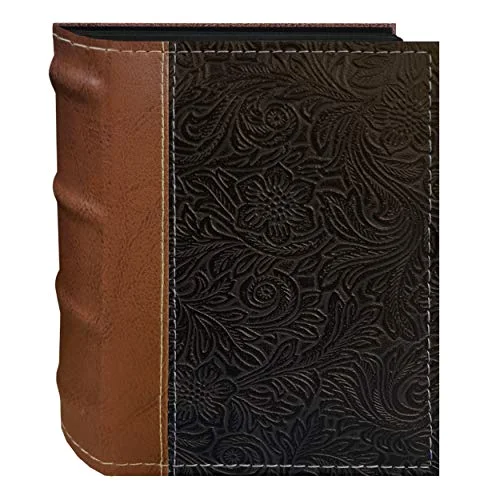
The pocket line runs from 36 prints to 504 prints. Most are for 4x6, with 5x7 and 8x10 lines for larger prints. Covers are sewn leatherette, European bonded leather, fabric, and faux-suede. Some have a frame on the front, a window for a favourite print so the album has a face before you open it.
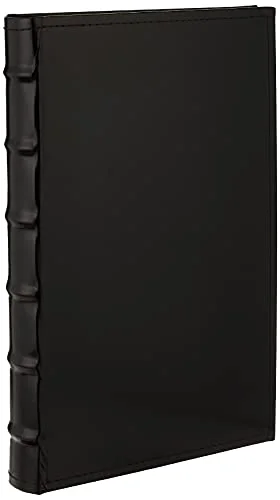
The bookbound spine lies flat on the kitchen table. Some high-capacity lines hold five prints to a page, three horizontal and two vertical, and run to 500 prints in a single book. A few have an expanding library spine, or a magnetic or hook-and-loop strap. The pocket album is the simple one and the heavy one, the same idea at different sizes.
The scrapbook is a different project. The pages are blank. You build them yourself, with page protectors and heavy paper inserts, and the album holds them on posts or on rings that open.
The standard sizes are 12x12, 8x8, 8.5x11, and a jumbo 11.75x14. Post-bound albums take refills. You unscrew the posts, add a stack of pages, screw them back in. The 3-ring binders do the same with rings that snap open. Extension posts lengthen the screw posts when the stack gets tall.
The page protectors are top-loading. A heavy white or beige paper insert slides in from the top. The insert comes out when you want to work on the page. The protector stays in the album. You do not have to take the book apart to change a page.
Covers are fabric, book-cloth, and leatherette. Many have a frame window on the front, the same idea as the pocket album. The scrapbook is for the person who wants to choose the page as well as the print. They come back for refills. They come back for corners and glue and pens. They come back for years.
Around the pocket album and the scrapbook there are smaller things and larger things.
The mini albums are for handbags and for shelf corners. Some hold one print per page. Some hold two. They run from 36 prints to 100 prints, in small sewn leatherette covers with an embroidered patch, a piped edge, or a printed designer cover.
The IS-80 is for instant prints. It holds 80 Fujifilm Instax or Polaroid credit-card-size prints, and the cover has a frame for one of them. A print from a wedding, or a road trip, slips into the frame so the album looks like the day it remembers.
The magnetic self-stick albums are for mixed sizes. A clear plastic overlay on each page lifts and re-adheres. You put a wallet print, a 4x6, a 5x7, and an 8x10 on the same page and lay the overlay back down. The spines are 3-ring and post-bound. The X-Pando line has an expandable spine. The back of the print does sit on an adhesive page under the overlay. For decades-long keeping, the pocket album is the one that keeps the print free of adhesive.
Refill pages are made for a named album line. RST for 3-ring albums, RLM for magnetic albums, SJ-20R for the jumbo scrapbook. Page protectors and inserts come in packs. Extension posts and screw-post extenders come in their own bags. There are photo corners, mounting squares, mounting tape, glue sticks, acid-free gel ink pens, and a microfiber cloth.
The photo storage boxes are for the prints you have not sorted yet. A metal identification plate on the front, an index card inside, so you can write what is in the box without opening it. A jumbo scrapbook storage box, about 14.75 by 13 by 3.75 inches, holds 12x12 pages.
| Line | What it is for | Formats and finishes | In the range |
|---|---|---|---|
| Pocket photo albums | Bookbound albums with clear pockets for 4x6, 5x7 and 8x10 prints, from 36 to 504 photos, in leatherette, bonded leather and fabric covers. | 3.5×5, 4×6, 4×7, 5×7 and more; 120 finishes | 312 |
| Scrapbooks and 12x12 albums | Post-bound and 3-ring albums for 12x12, 8x8 and 8.5x11 pages, with top-loading protectors and heavy paper inserts. | 4×6, 5×7, 6×8, 8×8 and more; 99 finishes | 232 |
| Mini and instant-print albums | One or two prints to a page, 24 to 100 photos, in sewn covers small enough for a handbag or a desk drawer. | 4×6, 5×7, 6×8, 8×10 and more; 47 finishes | 130 |
| Magnetic self-stick albums | Self-stick pages with a clear overlay that lifts and re-adheres, so a wallet print, a 4x6 and a 5x7 can sit side by side. | 2.5×3.5, 4×6, 5×7, 6×8 and more; 27 finishes | 43 |
| Refill pages and supplies | Refill pages for our 3-ring, post-bound and magnetic albums, top-loading page protectors with paper inserts, extension posts for a book that keeps growing, and the small things: photo corners, mounting squares, pens.. | 2.5×3.5, 4×6, 4×7, 5×7 and more; 20 finishes | 81 |
| Photo storage boxes | Heavy-duty boxes for loose prints and for 12x12 scrapbook pages, with a metal label plate on the front and index cards inside.. | 4×6, 12×12; 19 finishes | 30 |
Every line carries the same three words on the pack: acid-free, lignin-free, PVC-free. Some lines say "acid and PVC emission free." The wording is small, on the back of the album or the bottom of the box.
Acid-free means the paper and the board will not give off acids that yellow a print. Lignin-free means the wood pulp has had the lignin taken out of it. Lignin is what makes newspaper go brown. PVC-free means the plastic in the pockets and covers does not contain polyvinyl chloride, which can outgas and damage a print.
There is a public standard for "photo-safe." ISO 18902 is the standard for photographic materials. The Photographic Activity Test, ISO 18916, decides whether a material is safe to put next to a print. The pack is where the claim lives, and the wording on the pack is the claim.
This site shows the Pioneer range. It keeps the prices current. It hands you to checkout with our retail partner, where the order is completed. That is all it does. There is no account to make. There is no app to download.
After that, you are back at the kitchen table with the box of prints. The pocket goes on. The memo strip is for the date, the name, or the one sentence you want the people after you to read. The print goes in. The cover closes. The album goes on the shelf with the others.
These reviews were written by people who bought an album, filled it, and sat down to describe it. The three- and four-star ones are kept in on purpose. A page of perfect scores tells you nothing useful about the album in your hand. A note that a pocket is tight on a particular print, or that the cover ran darker than the picture, will tell you more about a particular line than another round of praise.
I really enjoy this photo album. I used to scrapbook and honestly it is just so much easier to be able to print out pictures and just throw them into a photo album that requires basically no additional work. I love that there is a little note section near the middle of the pages so that if you have a little memory or quote that goes with each picture, you can write that down. I think that helps make the album a little more personal.
Photos in this album can be arranged one of three ways, three horizontally on a page, one vertical and one horizontal or two vertical. The plastic over the pictures is a little loose and wrinkled, but it's something easily overlooked for the ability to do either horizontal or vertical. I did some rearranging of pictures and the plastic held up well after putting in and taking out pictures several times.
I have purchased 22 of these albums in the past to store the photos from my trips around the world. Yes, I am still one of the few people left who actually prints out their pictures. I love the 500 photo capacity. Not many albums offer this. The quality of these albums are quite good, though I have had a few problems. I've had one binder tear on the inside when I opened it, and there have been some plastic pages that weren't quite sealed together properly resulting in photos that won't stay put in their sleeve, but these are isolated issues.
The album cover is nice, but the sheets are super flimsy and my pictures fall out of the pockets very easily when flipping through.
Good album but too narrow to hold 8x10 photos. The binder rings get in the way
This was the 4th Photo Album that I ordered as a gift for my grandmother's 90th birthday. The first 2 were too large and the weight would have been a fall hazard. The 3rd was the same size as this but the wrong color. This one is the perfect size being just under 12 inches. It has enough room for several photos on each page without being cumbersome. My grandmother loves it.
I like the vintage look and feel of this Scrapbook. I am now 70 and this reminds me of the scrapbooks that have been handed down through my family. I bought the corners to attach our 1940's to present photos. It looks lovely and the tactile experience of touching the pages, even impressed our grandchildren, who have grown up in the digital age.
Exactly what I needed - it holds those 80s/90s-era paper envelope sleeves that prints and negatives would come back from development in.
Great little budget photo album. Only downside is that if your photos don't meet the exact size of the pages, they will definitely float around.
Albums take a bit of patience. You decide where the prints will live, which kind of album suits the photographs in front of you, and how to get a shoebox full of prints into the pages without losing steam. Three short pieces, written from the kitchen table, on what to think about before, during, and after you start.
What damages a print, the temperature and humidity numbers archives use, how to handle a photograph, what photo-safe means, and which albums are safe.
Read the article →Three formats explained once: print size, capacity as a real number, whether more prints will come, and what conservators say about self-stick pages.
Read the article →A method a person with a job can finish: one decision before the first print, a sort that is not a cull, capacity arithmetic, and the memo strip.
Read the article →Acid and lignin are what make cheap paper yellow and go brittle over time. PVC is a plastic that conservators keep away from photographs, since it can give off compounds as it ages. The pages and pockets in our albums are described on the pack as being free of all three of these.
For prints you mean to keep for decades, a pocket holds the print without adhesive touching it at all. Conservators advise against self-adhesive pages for long-term storage. Magnetic pages suit mixed sizes and albums you expect to rearrange often. Both kinds are in our range.
Match the style number printed inside the album. Refills are made for a named line, so the number on the refill sleeve has to match the number on the album itself. The look of the cover, the colour, or the size of the page does not tell you which refill fits, so do not guess.
Our pocket albums run from 36 to 504 prints. 200 and 300 are the common sizes for family use. A full year's worth of prints usually wants 300 to 500 pockets. Each product page states the album's capacity.
The Library of Congress and the National Archives recommend a cool, dry, stable place, with relative humidity around 30 to 50 percent and a temperature at or below 70 degrees Fahrenheit. Keep albums out of attics, basements, and direct light. A bookshelf in a living room comes closer to that than a garage does.
The memo lines have a strip beside each pocket for a pen. Scrapbook inserts are heavy paper and take ink well, so a gel pen sits on the page without bleeding through. Conservators advise a soft pencil on the back of a print near the edge, if the print itself must be marked. Better to write on the page than on the print.
Nothing on this page is conservation advice for a specific collection, and nothing here is a claim that any particular album will keep a given photograph in a given condition. Where our pages touch how prints age and how they should be stored, they cite the public institutions below and say the date the source was read. For a valuable or damaged photograph, a photograph conservator is who we would ask.
Everything we make is here, with the price from our last update. When you are ready, the purchase is completed at checkout with our retail partner. Then the box of prints comes off the top of the fridge and onto the table.